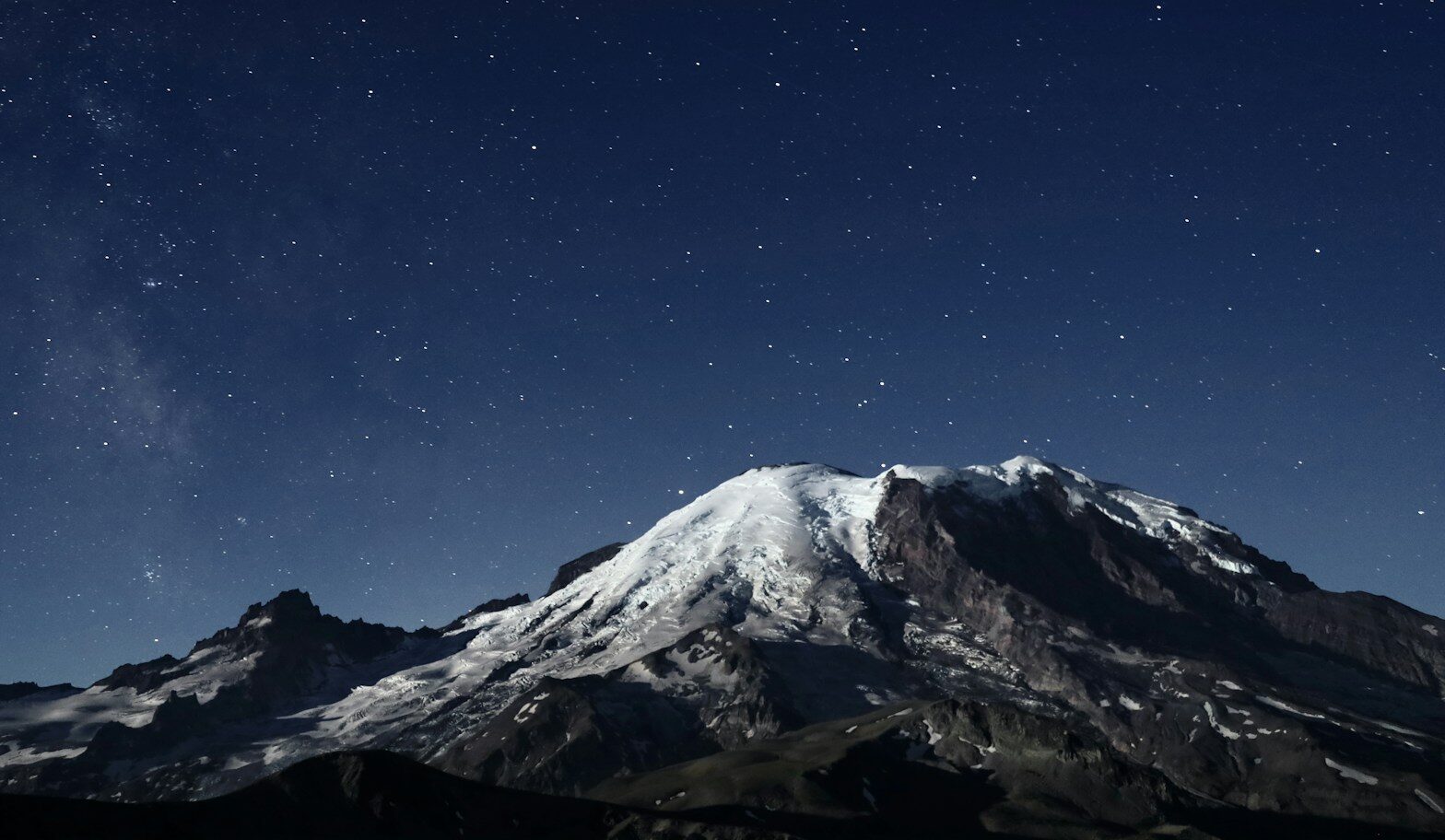
When reviewing the Dyatlov Pass Forensics archive, the timeline must begin on the freezing night of February 1–2, 1959. Nine highly experienced Soviet hikers, led by Igor Dyatlov, violently cut their way out of their own tent from the inside on the eastern slope of Kholat Syakhl (“Dead Mountain”) in the northern Ural Mountains. Fleeing in a state of absolute terror, they ran barefoot or in thin socks into the pitch-black, −30°C darkness, abandoning their heavy coats, gear, and food.
Over the following weeks, search parties found the group frozen in the snow. Six had died of severe hypothermia, but three had massive, catastrophic internal trauma including crushed chests and skull fractures. Even more terrifying, two bodies recovered months later from a meltwater stream were missing their eyes, tongues, and soft facial tissue. For decades, this fueled wild theories of yetis, UFOs, and secret Soviet weapons testing. But in 2026, the hard science tells a much colder, more grounded story.
Key Takeaways
- The Panic: The tent was slashed from the inside out in a desperate panic; there were absolutely no external footprints leading away except the hikers’ own.
- The Trigger: Modern slab-avalanche simulations perfectly explain the event. The group cut a snow ledge into a wind-loaded slope, creating the exact conditions for a heavy, delayed slab release that crushed the tent without fully burying it.
- The Biology: Paradoxical undressing—where hypothermia victims strip off their clothes in the lethal stages of freezing—is a documented physiological response, not evidence of human or animal attack.
- The Scavenging: Missing eyes and tongues were the direct result of post-mortem scavenging by foxes and corvids after the bodies thawed in a running stream.
- In The Lab: Every major anomaly of this legendary cold case fits a compounding natural disaster—katabatic winds, a slab avalanche, a hypothermia cascade, and delayed discovery.
The Trigger: Katabatic Winds and the Slab Avalanche
To understand what forced nine survival experts into the freezing dark, we have to look at their campsite. The hikers pitched their tent on a 15–20° slope after cutting a deep trench into the hard snow to create a level platform. While this is a standard mountaineering technique to block the wind, it fundamentally compromised the structural integrity of the snowpack above them.
Overnight, brutal katabatic winds—incredibly dense, cold air rushing rapidly downhill under the force of gravity—scoured loose snow from higher up the mountain. It redeposited this heavy mass directly above their tent as a wind-packed slab.
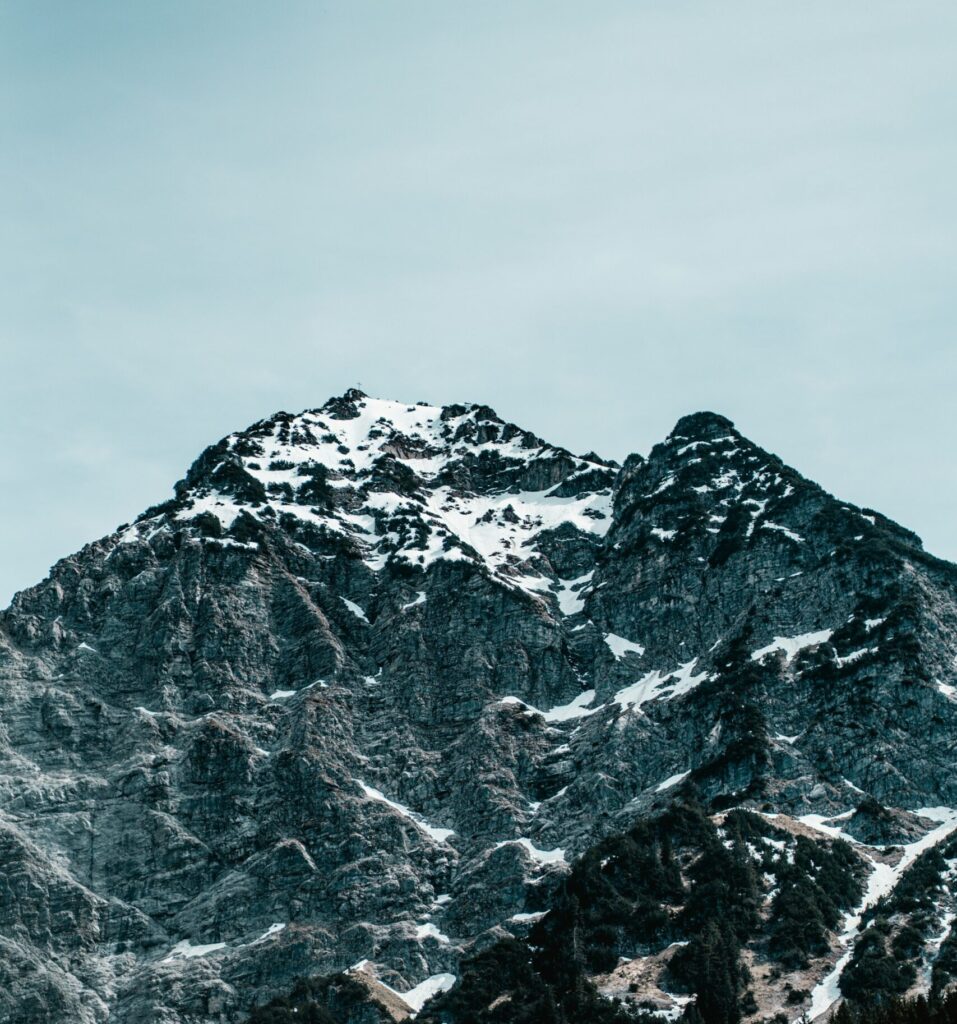
In recent years, Swiss avalanche experts (using advanced snow-deformation modeling originally designed for Hollywood animation) successfully recreated the exact physical scenario. A small, incredibly dense block of snow (roughly 5×5 meters) detached silently, slid a short distance, and slammed into the tent with an estimated force of up to 1 ton per square meter. This impact caused severe, crushing internal injuries to the three hikers sleeping on that side of the tent. Trapped under the heavy, icy block and terrified of imminent suffocation in the pitch black, the group violently slashed the canvas and escaped into the storm. No massive avalanche buried the site—only enough localized snow fell to explain the extreme panic and blunt-force trauma.
The Biology of Freezing: Paradoxical Undressing Explained
Searchers were baffled to find the bodies in various states of undress. Several were in only their underwear, some had their socks cut off, and their heavy winter coats were left behind in the ruined tent, despite the lethal cold.
This is a textbook example of paradoxical undressing, a biological phenomenon documented in up to 50% of fatal hypothermia cases. As the body enters the final, severe stages of hypothermia, the thermoregulatory system completely fails. This causes extreme peripheral vasodilation: the blood vessels in the skin suddenly open wide, flooding the freezing extremities with warm core blood.
The victim’s brain registers an intense, burning heat. In their final moments of delirium, they feel as though they are physically burning alive and begin frantically tearing off their clothing just before cardiac arrest.
Our Take in The Lab: Investigating Dyatlov Pass Forensics
When we apply modern Dyatlov Pass Forensics to the most disturbing details—the missing soft tissue and the trace radiation—the supernatural elements immediately evaporate.
- Missing Soft Tissue: The last bodies discovered (Lyudmila Dubinina and Semyon Zolotaryov) were found months later, face-down in a flowing meltwater stream under the snow. Exposed faces in running water are prime targets for small scavengers. Arctic foxes and corvids (ravens) specifically target the eyes, lips, and tongues first because they are soft, accessible, and highly nutrient-rich. Similar biological patterns appear in the Nahanni Valley cases we covered in the archive; while grizzlies detach heads, here it is simply smaller carnivores targeting facial features after a spring thaw.
- Radiation Traces: Investigators detected low-level beta radiation on two items of clothing. The source was not a secret Soviet weapon; it was almost certainly the thorium-lantern mantles the group carried, which were standard issue in 1950s Soviet camping gear. Thorium-232 decays slowly, and months of continuous snowmelt flowing over the bodies concentrated the radioactive material onto the wet fabric.
- Internal Injuries: The autopsies showed crushing internal trauma but zero external lacerations or bruising. This is perfectly consistent with the blunt, distributed force of a heavy snow slab impact, not a physical beating or an explosive shockwave.
If we cross-reference this with the geographic isolation and delayed discovery seen in the Smiley Face Mystery, a clear forensic rule emerges: remote environments combined with natural biological processes create scenes that appear entirely supernatural until they are dissected scientifically.
The Conclusion: A Compounding Natural Disaster
The ultimate lesson of Dyatlov Pass Forensics is that the tragedy required a perfect, localized storm. It was a compounding cascade of errors and physics: a wind-loaded slope, compromised tent placement, a localized slab avalanche, storm disorientation, the physiological hypothermia cascade, and a heavily delayed recovery.
The hikers made entirely rational decisions under unimaginable stress—fleeing a collapsing tent to avoid suffocation, attempting to build a fire at the tree line, and splitting up to seek help or retrieve gear—but the brutal environment won. There were no monsters. Just physics, biology, and devastating bad luck in one of the planet’s harshest places.
FAQ
Why did the hikers cut their way out of the tent? A localized slab avalanche crushed the tent with hundreds of pounds of dense snow, trapping them inside. Believing they were going to suffocate in the dark, they slashed their way out to escape.
What causes paradoxical undressing in hypothermia deaths? A total failure of the body’s thermoregulation causes peripheral vasodilation. This floods the freezing skin with warm blood, creating a false but intense burning sensation that causes victims to tear off their clothes right before death.
Where did the missing eyes and tongues go? They were removed by natural scavenging. Arctic foxes and birds targeted the soft tissue after the bodies thawed in a meltwater stream, which is a standard biological process in delayed northern recoveries.
Was there really radiation on the hikers’ clothes? Yes, but only trace amounts consistent with the thorium camping lanterns they carried. There were no weapons-grade isotopes or fallout signatures present.
Does modern Dyatlov Pass Forensics consider the case solved in 2026? Yes. While the Russian Prosecutor-General officially closed the case in 2019 citing the avalanche theory, the global forensic and glaciology communities now widely accept the compounding natural-disaster sequence as definitive.
The real horror of Dead Mountain is how ordinary forces—wind, snow, and cold—can turn heavily experienced survivalists into victims in a matter of hours. What detail stands out most to you? Share your thoughts in the comments below. Have you ever experienced a severe cold-weather survival situation? Submit your story via our Contact Lab form. Be sure to subscribe to the archive for more deep dives into Unsolved Files and Dyatlov Pass Forensics.
Investigatively yours, Jamie Craig
Sources: Russian Prosecutor-General’s Office: 2019 Dyatlov Report | Nature Communications: Snow Slab Avalanche Modeling | Forensic Science International: Hypothermia Physiology & Scavenging.