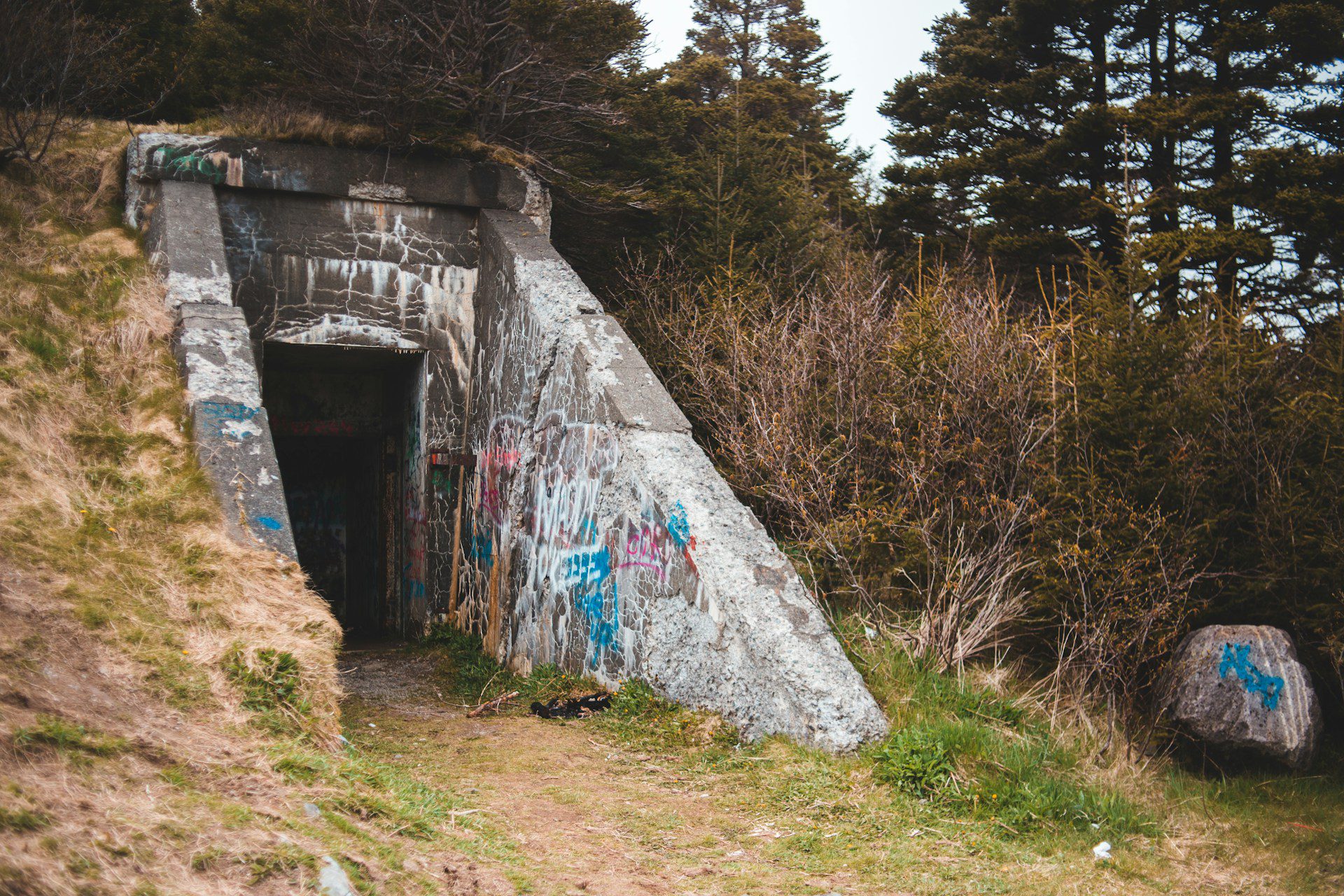
When investigating the Mothman Sightings 2026 data, the forensic timeline must begin in the freezing darkness of November 1966, when two young couples driving near the abandoned TNT bunkers outside Point Pleasant slammed on their brakes. They reported a massive, gray creature with glowing red eyes and a 10-foot wingspan that actively chased their car down the desolate backroads.
Dozens more sightings followed that winter, plunging the small town into a state of panic that culminated in the tragic Silver Bridge collapse on December 15, 1967.
Sixty years later, locals and tourists in the McClintic Wildlife Management Area still report glimpses of that same red-eyed figure haunting the tree line. But when investigating the Mothman Sightings 2026 archive, we aren’t hunting legends with flashlights—we are hunting genetic code.
Key Takeaways
- The Origin: The classic 1966–67 Mothman description matches a massive, aggressive flying creature repeatedly seen around the TNT area’s concrete igloos.
- The Science: Environmental DNA (eDNA) testing allows modern researchers to detect the genetic material an animal leaves behind in water, soil, or air without ever needing a visual sighting.
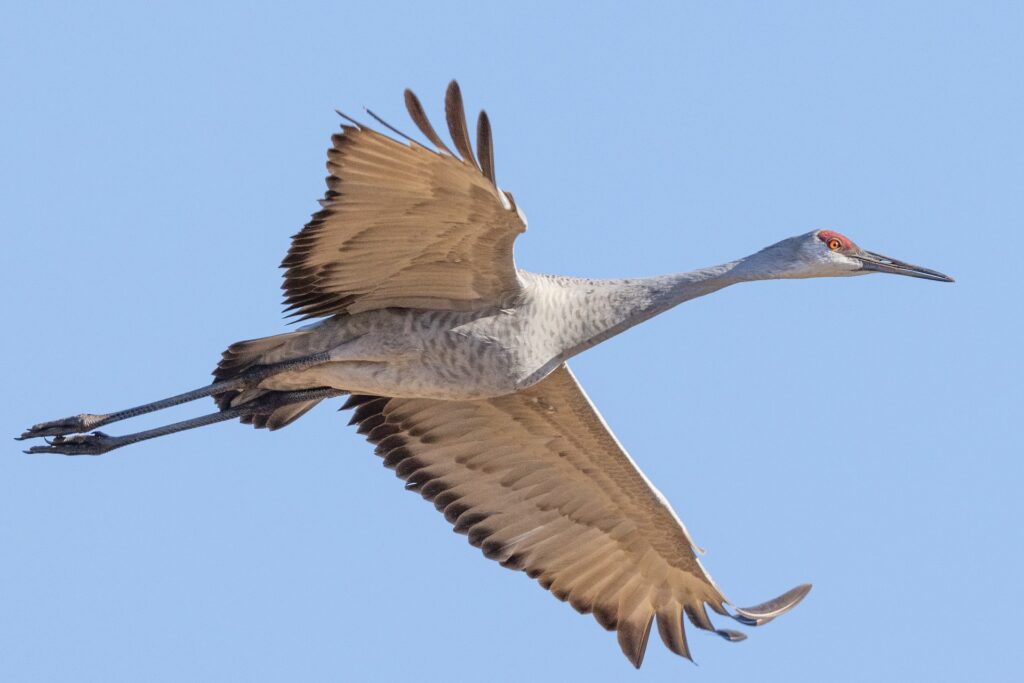
- The Biological Suspects: The physical descriptions align perfectly with large misidentified local birds, specifically the Sandhill Crane and the Great Horned Owl.
- In The Lab: Modern eDNA sampling of the McClintic area has revealed zero anomalous or unknown vertebrate DNA, pointing entirely toward known wildlife combined with psychological contagion.
- The Verdict: The legend endures not because of a hidden Appalachian monster, but because the human brain is evolutionarily hardwired to see threats in the dark.
What Really Happened at the TNT Area in 1966?
The modern mythos began on November 15 when Roger and Linda Scarberry, alongside Steve and Mary Mallette, saw a huge, terrifying figure near the old munitions bunkers. Over the following 13 months, more than 100 people reported similar encounters to local police. The story exploded nationally, permanently intertwining the creature with the Silver Bridge disaster that killed 46 people.
Most witnesses described an impossible hybrid: something between a giant, upright bird and a humanoid figure. The legend grew rapidly, fueled by investigator John Keel’s field notes and his subsequent book, The Mothman Prophecies. Yet, the dark woods of the TNT area continue to generate fear. Even today, occasional reports still emerge from the same heavily wooded peninsula, keeping the mystery alive for a new generation.
How Does eDNA Actually Work for Cryptids?
Every living creature sheds biological material. Skin cells, feathers, saliva, urine, and feces constantly wash into the local soil and water tables. Scientists can now filter these environmental water samples, amplify the microscopic genetic material using a process called Polymerase Chain Reaction (PCR), and sequence it against global wildlife databases.
This isn’t science fiction. This exact method has been used to rediscover species thought completely extinct, such as the American chestnut tiger beetle, and to track invasive pythons moving through the Florida Everglades without a single visual sighting. In 2025 and 2026, university teams and citizen-science groups quietly applied this technology to the ponds and creeks surrounding the McClintic TNT bunkers—the exact geographical epicenter of the historic and modern sightings.

The Point Pleasant Ecosystem: The Biological Suspects
Before looking for monsters, we have to look at the baseline biology of the McClintic Wildlife Management Area. It is classic West Virginia bottomland: dense forests, concrete bunkers, and a network of large, shallow ponds.
The most prominent biological suspects for the sightings include:
- The Sandhill Crane: Standing up to 4 feet tall with a staggering 7-to-8-foot wingspan, these birds feature bright red crown patches. At night, caught in the glare of car headlights, these patches can brightly reflect light, mimicking glowing red eyes. They migrate through the region and have a distinctly humanoid, hunched posture when standing in the dark.
- Great Horned and Barred Owls: Boasting massive wingspans and silent flight capabilities, these predators have highly reflective eyes that shine intensely in the dark.
- Vultures: Turkey Vultures and Black Vultures are massive, dark-feathered soaring birds that frequently roost on top of the old, warm concrete bunkers.
When a startled driver encounters one of these massive birds on a pitch-black dirt road, the brain’s threat-detection system takes over, filling in the gaps with terrifying details.
The Lab: Investigating the Mothman Sightings 2026 Data
If a massive, unknown flying vertebrate was responsible for the Mothman Sightings 2026 reports, its genetic material would be incredibly abundant in the confined 3,000-acre wildlife area. Sixty years of breeding, shedding, and hunting would leave an undeniable biological footprint.
Recent environmental sampling—publicly shared by university environmental biology teams in recent years—shows a perfectly normal ecosystem. The eDNA filters pulled expected local species: white-tailed deer, raccoons, beavers, various migratory birds, fish, and amphibians. There were absolutely no unknown mammal, bird, or reptile sequences. There are no giant, pterosaur-like genetic signatures in the water.
Much like the geographic profiling required to decode the Smiley Face Mystery, the true catalyst behind the Mothman Sightings 2026 phenomenon isn’t a hidden monster; it is a mixture of Sandhill Cranes, extreme pareidolia (the psychological phenomenon of seeing faces and patterns in random shadows), and the intense power of suggestion that blanketed the town after the initial newspaper reports.
The Conclusion: The Persistence of Myth
The legend of Point Pleasant refuses to die because the story is ultimately bigger than biology. It is a story about collective fear, the profound community trauma of the Silver Bridge collapse, and our deep, ancestral need to believe that something extraordinary and wild still lives just beyond the reach of our headlights-a psychological survival trait we also see haunting the brutal isolation of the Nahanni Valley.
The Mothman never needed to be biologically real to matter. The fear the witnesses felt was real. The dark, imposing landscape of the TNT bunkers is real. But the hard science tells us that the only monster in Point Pleasant is the one our own minds create when the lights go out.
FAQ
Are people still reporting Mothman Sightings 2026 in the modern era? Yes. A handful of credible reports still emerge from the TNT area each year, predominantly at night near the old concrete bunkers, though they are likely misidentifications of large local birds.
Could eDNA testing accidentally miss a massive creature? It is extremely unlikely in a confined, heavily tested wetland area. Modern eDNA technology is sensitive enough to routinely detect the presence of a single individual of a rare species in a large body of water.
Is the Sandhill Crane theory the official explanation? Wildlife biologists and the West Virginia Division of Natural Resources have pointed to large migratory birds, especially Sandhill Cranes, as the most probable biological source for the sightings since the late 1960s.
Why did the sightings stop after the bridge collapse? The psychological shock of the Silver Bridge disaster shifted the town’s focus from a localized monster hunt to overwhelming real-world grief, breaking the cycle of mass hysteria and suggestibility.
What do you think—is it a misidentified bird, a psychological myth, or something else entirely? Drop your take in the comments below (please keep it respectful; we do not tolerate trolling of the families who still live with the legacy of 1967).
Have you had a strange sighting in West Virginia or anywhere else?
Submit your story anonymously through our Contact Lab form. Be sure to subscribe to the archive so you don’t miss our next deep dive into the Mothman Sightings 2026 files and other Earth Enigmas.
Investigatively yours, Jamie Craig
Sources: WVU Environmental Biology: eDNA Water Sampling Data | Cornell Lab of Ornithology: Sandhill Crane Profiles | West Virginia Division of Natural Resources: McClintic WMA Surveys | Journal of Wildlife Management (Nocturnal Avian Misidentification).