In the brutal summer of 1908, a search party led by Charlie McLeod made a grim discovery along the banks of the South Nahanni River in the remote Northwest Territories of Canada. He found the skeletal remains of his own brothers, Willie and Frank McLeod, at their abandoned prospector camp.
The two men had vanished three years earlier during a 1905 expedition to find gold. But the condition of their bodies is what birthed one of North America’s darkest mysteries: both men were completely headless, and their skulls were nowhere to be found.
This gruesome scene—fueled by whispers of hidden gold and phantom killers—quickly earned the region the moniker “Headless Valley.” Over a century later, the Nahanni Valley Legends continue to draw true crime researchers, cryptozoologists, and thrill-seekers to one of Canada’s most unforgiving frontiers.
Key Takeaways
- The Origin: The 1908 discovery of the decapitated McLeod brothers originated the “Headless Valley” name and set a terrifying precedent for future disappearances.
- The Geographic Trap: The Nahanni’s terrain is brutally unforgiving, featuring 3,000-foot sheer canyon walls, violent rapids, and strange sulfuric hot springs that create confusing “tropical” microclimates amid subarctic freezes.
- The Naha History: Dene oral traditions describe the Naha, a fierce mountain tribe that vanished without a trace, though modern anthropology points to environmental displacement rather than the supernatural.
- In The Lab: The core of the Nahanni Valley Legends—the decapitations—is a known forensic reality of northern wilderness scavenging, where apex predators target weak cervical tissues first.
- 2026 Perspective: Even with modern GPS and drone tech, the true danger of the valley is the landscape itself, not myth or murder.
The Geographic Trap: Canyons, Gates, and Deadly Microclimates
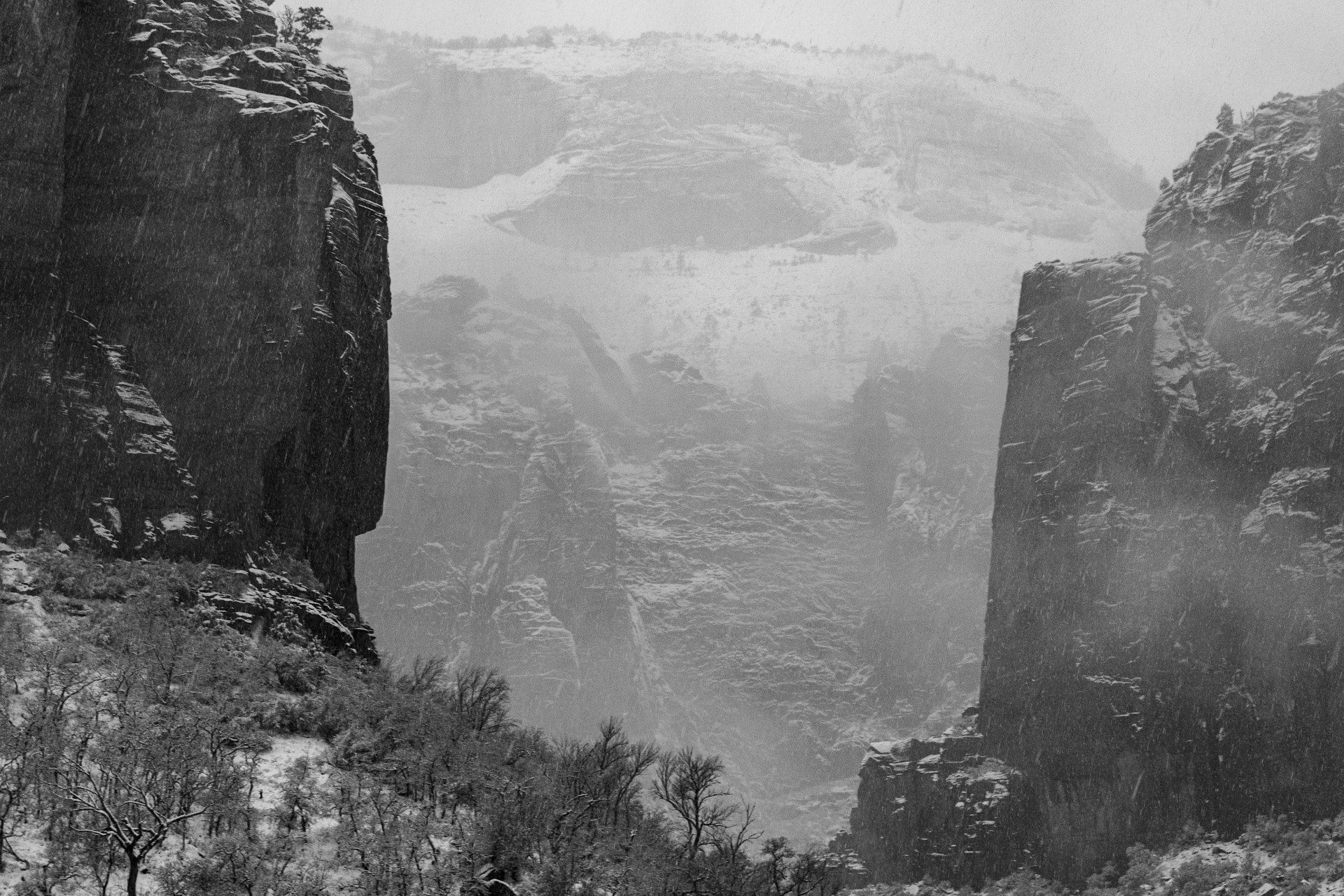
To understand the Nahanni Valley Legends, you have to understand the geography. The South Nahanni River carves violently through the Mackenzie Mountains, creating one of the most isolated and inaccessible regions on the continent. First Canyon stands out as the steepest and deepest, with vertical limestone walls soaring up to 3,000 feet. This geological funnel traps extreme weather, creating sudden, violent windstorms that drop temperatures in minutes.
Further down the water is Hell’s Gate—a notorious rapid where the river squeezes through a narrow gap, creating violent boils and whirlpools capable of flipping heavy canoes and stripping away survival gear in seconds.
Adding to the disorientation are the valley’s geothermal anomalies. Sulfuric hot springs, like those at Rabbitkettle and Kraus, bubble up from deep underground, maintaining year-round temperatures around 20°C (68°F). These springs create bizarre microclimates: lush, humid pockets of greenery where orchids bloom just yards away from frozen subarctic permafrost. For a lost, starving prospector in 1908, this contrast is deadly. It leads to unstable ice, blinding sudden fog, and severe hypothermia risks. Combined with fast currents and seasonal floods, the valley turns even the most prepared expeditions into fatal survival ordeals.
The Vanished Naha Tribe and Nahanni Valley Legends
A major pillar of the Nahanni Valley Legends revolves around the Naha. Dene oral traditions speak of a reclusive, mountain-dwelling group who frequently raided lowland settlements before disappearing seemingly overnight. According to the stories, scouts tracked the Naha back to their high-altitude camps, only to find them completely empty: fires smoldering and shelters intact, but the people were gone.
Some linguists and anthropologists have noted ties between Dene dialects and the Navajo in the southwestern United States, suggesting a massive southward migration. Archaeologically, the “vanishing” of the Naha likely reflects real historical dynamics: pre-contact territorial conflicts, displacement during severe climate shifts, or a small band simply succumbing to the valley’s lethal hazards. There is no archaeological evidence to support an ongoing, hidden tribe of headhunters. The stories preserve a generational memory of how unforgiving the mountains were.
Our Take in The Lab: The Forensic Reality of “Decapitation”
The pattern of headless bodies is undeniably eerie, but it is entirely explainable through basic wilderness forensics. When we analyze the Nahanni Valley Legends in the Lab, we strip away the ghost stories and look at the biology of decomposition in the Canadian north.
- Tissue Degradation: In human anatomy, the neck’s cervical vertebrae and surrounding soft tissues are among the weakest structural points connecting the body.
- Apex Scavenging: When a human succumbs to exposure, starvation, or a fall, they become part of the food chain. Apex scavengers—specifically grizzly bears and timber wolves—are drawn to the nutrient-dense brain and skull. They target the head and neck first, detaching it cleanly at the joint.
- Caching Behavior: Detached heads are almost always carried away, cached, or scattered far from the torso by these predators.
This leaves a mummified or skeletal torso that appears deliberately beheaded to an untrained observer. This specific scavenging pattern matches hundreds of documented deaths in remote Canadian and Alaskan wilderness areas. There are no tool marks on the McLeod bones, just the harsh reality of natural predation. The “headhunter” myth grew purely from early 20th-century fear and sensational newspaper reporting.
The 2026 Conclusion: Technology vs. Untamed Wilderness
Today, Parks Canada actively manages the Nahanni National Park Reserve with strict safety protocols and monitoring systems. GPS, satellite imagery, drones, and advanced weather forecasting have drastically reduced the risks. Modern expeditions must register, carry emergency beacons, and utilize advanced thermal gear.
Yet, the core of the Nahanni Valley Legends remains true: the terrain hasn’t changed. The vast scale, extreme isolation, and unpredictable weather still make full Search and Rescue operations incredibly difficult. The true “monster” of Headless Valley isn’t ghosts or ancient killers—it is the geography itself. Nature reclaims its territory quickly here, and a profound respect for the land remains your only real defense.
FAQ
Why were so many bodies found headless in the Nahanni Valley? Forensic analysis shows that scavenging by grizzly bears and timber wolves naturally detaches the head at the weak neck joints. Predators often carry the skull away, which is common in remote northern decompositions.
Who were the Naha people in the Nahanni Valley Legends? The Naha were likely a real historical mountain group remembered in Dene oral tradition. Their sudden “disappearance” points to historical migration, tribal conflict, or environmental hardship, rather than a supernatural event.
Is the Nahanni still dangerous for visitors in 2026? Yes. The 3,000-foot canyons, violent rapids, extreme weather shifts, and total isolation demand expert preparation. Parks Canada strictly enforces registration and bear safety protocols for all visitors.
Has any recent forensic evidence changed the Headless Valley legend? No. Modern wilderness forensics only reinforce the natural explanations for the deaths. There are no confirmed links to a serial killer, headhunters, or foul play in the historical prospector cases.
The reality of this valley is humbling: nature doesn’t need curses to be deadly. If you’ve paddled the South Nahanni River or have insights into its brutal terrain, share your thoughts respectfully below. Have you encountered similar wilderness challenges?
Submit your story securely via our Contact Lab form. Subscribe to the archive for more deep dives into the forensic realities behind Earth Enigmas.
Investigatively yours, Jamie Craig
Sources: Parks Canada: Nahanni National Park Reserve | Canadian Museum of History: Dene Oral Traditions | Journal of Forensic Sciences (Wilderness Scavenging Patterns).