
Between the late 1990s and the early 2010s, more than 40 college-aged men—mostly athletic, high-achieving students in their early 20s—disappeared after nights out drinking at bars or parties across the Midwest and East Coast, only to be found weeks later in rivers, lakes, or creeks.
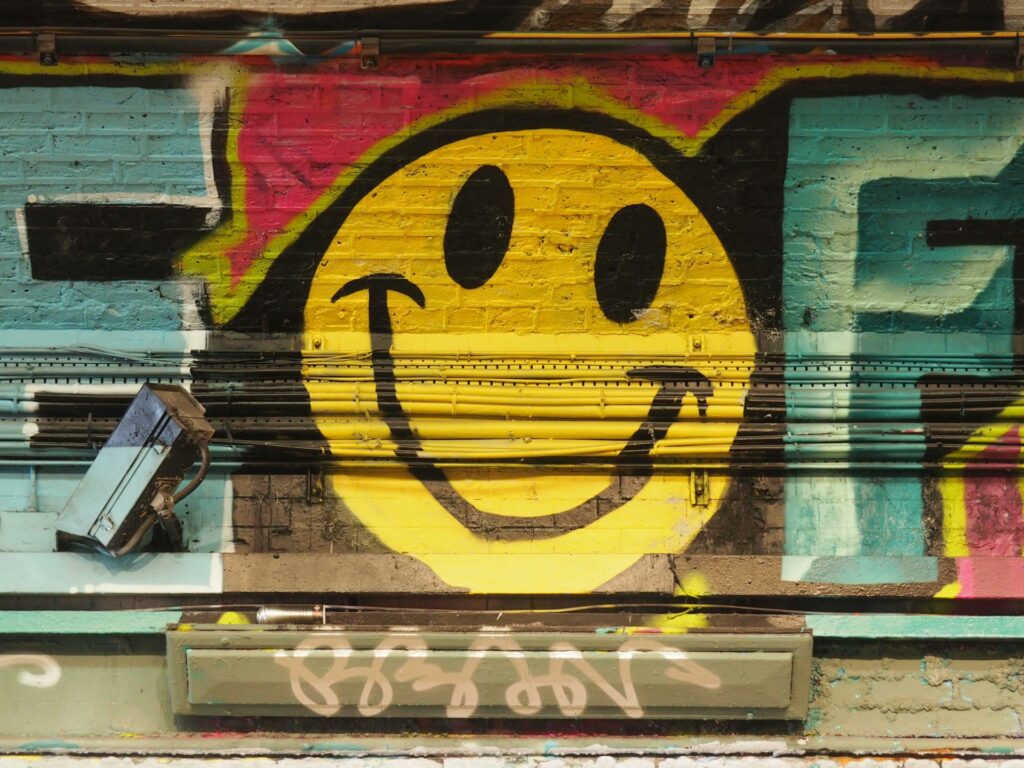
Retired NYPD detectives Kevin Gannon and Anthony Duarte first connected the dots in the mid-2000s after noticing similar graffiti spray-painted near multiple recovery sites, sparking the controversial Smiley Face Mystery and the theory that an organized underground group was targeting these young men.
Key Takeaways
- Victim Profile: The men shared strikingly similar demographics: fit, outgoing college students last seen leaving bars alone and heavily intoxicated.
- The Calling Card: Smiley-face graffiti appeared near at least a dozen recovery scenes, often in hard-to-reach spots along waterways.
- Geographic Clusters: The Smiley Face Mystery clusters heavily along the I-94 corridor from New York through the Midwest, though similar drownings happen nationwide.
- The Official Stance: The FBI’s 2008 statement found no evidence linking the deaths to a serial killer or gang, ruling the vast majority as alcohol-related accidental drownings.
- In The Lab: Even in 2026, improved toxicology and digital mapping show no consistent drugging pattern, but the graffiti coincidence and a few reclassified cases keep the debate intensely alive.
Who Are Kevin Gannon and Anthony Duarte?
Kevin Gannon, a longtime NYPD homicide detective, and his partner Anthony Duarte began their private investigation after the 1997 death of Patrick McNeill in New York City. They expanded their review to dozens of similar cases and went public in 2008 with the theory behind the Smiley Face Mystery. They argue the men were systematically drugged, abducted, held for hours or days, and then dumped in water to stage accidents. Gannon and Duarte have spent nearly two decades pushing for these closed cases to be reopened and re-examined as homicides.
The Signature: The Graffiti Calling Card
In more than 40 documented cases spanning New York, Pennsylvania, Ohio, Wisconsin, Minnesota, and Iowa, investigators or the detectives themselves found simple spray-painted smiley faces near where the bodies surfaced.
Some were basic yellow circles with dots and a curve; others featured horns or sinister extra details. Proponents of the theory claim these act as a taunting calling card from the perpetrators, linking the disparate scenes together in the Smiley Face Mystery.
The I-94 Corridor: Why the Midwest Cluster?
Many of the deaths line up perfectly along or near Interstate 94, running from the East Coast deep into the Midwest. Believers in the theory say this suggests a mobile, highly organized group operating along major travel routes.
Critics and behavioral analysts point out a simpler reality driving the geographic profile of the Smiley Face Mystery: college towns with heavy drinking cultures sit right along that corridor. Young men statistically drown at much higher rates after alcohol consumption—especially in cold Midwestern months when rivers are fast, icy, and visibility is zero.

Our Take in The Lab
From a 2026 forensic standpoint, the pattern looks terrifyingly compelling at first glance—until you dig into the hard data. The FBI’s official 2008 statement remains the clearest anchor in this storm: after reviewing the cases, they found “no evidence to support links between these tragic deaths or any evidence substantiating the theory that these deaths are the work of a serial killer or killers.”
At the core of the Smiley Face Mystery is the graffiti. In the Lab, we have to acknowledge that smiley faces are among the most common pieces of graffiti in the world. You will find them on bridges, alleys, and storm drains in nearly every city on earth. Furthermore, modern toxicology has improved dramatically since the early 2000s, yet GHB or other date-rape drugs rarely show up in these autopsies at levels that would incapacitate a grown man for hours.
When we cross-reference victim blood-alcohol levels with typical college-party behavior, the numbers heartbreakingly align with thousands of other accidental drownings that never get the same media attention.
That said, a few individual cases—like Chris Jenkins in Minneapolis, which was officially reclassified as a homicide in 2006 after initially being ruled an accident—do raise legitimate, haunting questions. The real forensic takeaway in 2026 is this: statistical clusters of young male drownings are tragic but expected in areas with heavy drinking and proximity to water. The graffiti, while undeniably eerie, does not meet the scientific threshold for linking 40 separate deaths without stronger physical evidence.
FAQ
Is the Smiley Face Mystery still an active theory in 2026? Yes. Kevin Gannon and his supporters continue investigating and linking new cases, but no major law enforcement agency has officially validated a connection between the dozens of deaths.
Did the FBI ever investigate the Smiley Face Mystery? They reviewed the compiled information in 2008 and stated there was no evidence of a serial killer or linked murders. They still stand by that assessment today.
Could the victims have been drugged with GHB? Some early theories suggested it, but toxicology reports from the time and re-tests in later years rarely found consistent traces of drugs beyond high levels of alcohol.
Are all these deaths really just accidents? Most forensic experts and official medical examiner rulings say yes, but a handful of cases have been reclassified as homicides over the years, keeping the investigative conversation open.
This case file sits heavy. Whether it is a terrifying coordinated nightmare or a heartbreaking string of preventable tragedies, the families of these young men deserve every possible answer. If you have information on any of these cases, contact your local police department.
Seen something similar in your town, or have a theory on the geographic clusters? Share respectfully in the comments below or submit details anonymously through our Contact Lab form. Subscribe to The Lab Report so you don’t miss future forensic updates.
Investigatively yours, Jamie Craig
Sources: FBI Official Statement (April 2008); University of Minnesota Center for Homicide Research report (2010); Gannon & Duarte interviews via Oxygen documentary series; NamUs database.