[EXECUTIVE BRIEFING]
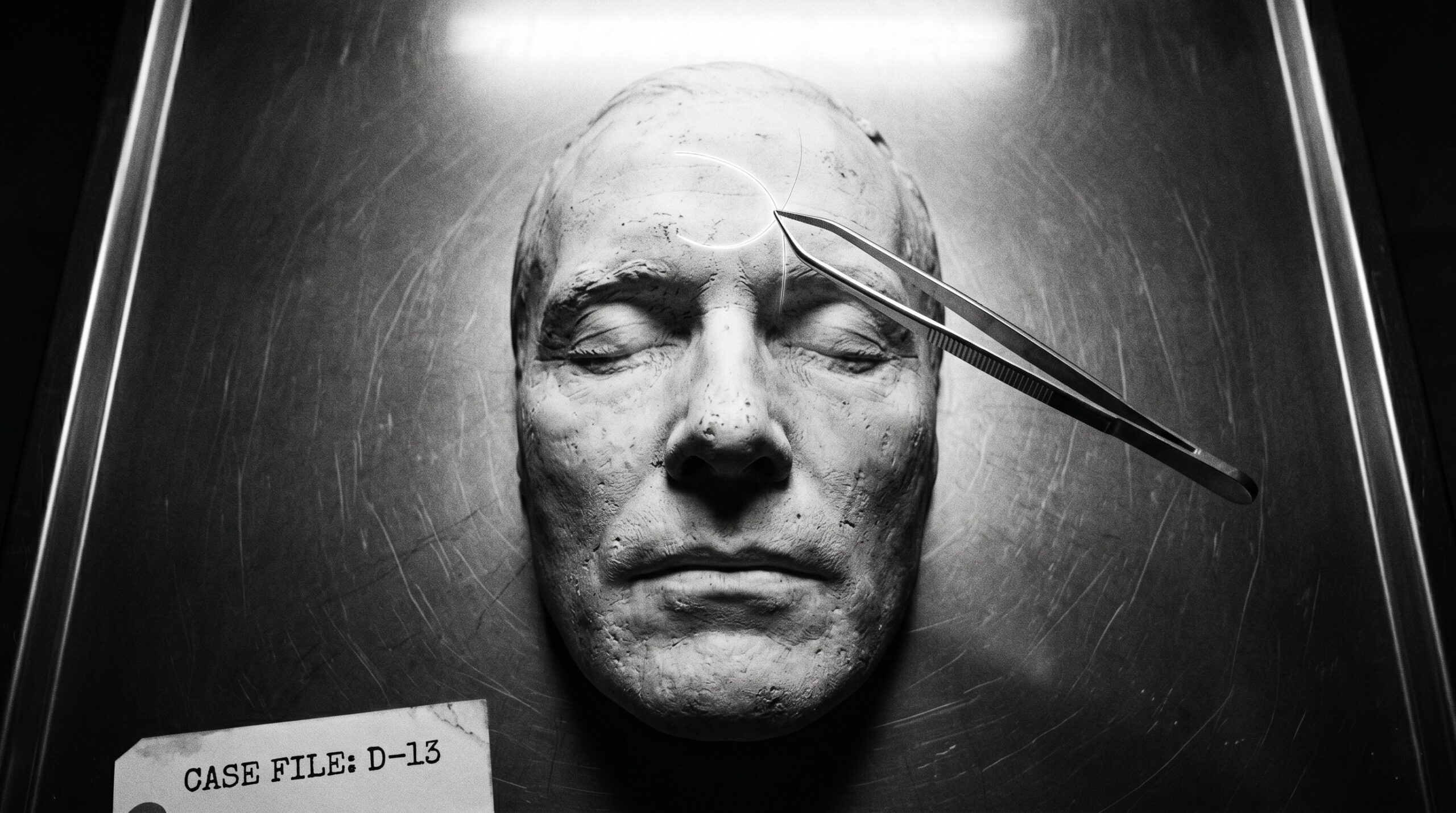
On December 1, 1948, an unidentified man was found dead on Somerton Beach in Adelaide, Australia. The body showed no signs of violence but presented with an enlarged spleen, congested organs, and internal bleeding. Decades of espionage theories dominated the narrative until 2022. This Somerton Man DNA 2026 forensic reassessment details how autosomal extraction from a single hair conclusively identified him as Carl “Charles” Webb, an electrical engineer from Melbourne.
Key Forensic Takeaways:
- Identity: Carl Webb, born 1905, was identified through genetic genealogy using DNA extracted from a hair preserved in the original plaster death mask.
- Espionage Myth: The genetic identification eliminated long-standing international spy and assassination theories surrounding the case.
- Trace Evidence: The “Tamam Shud” paper and associated cipher were personal mnemonic items, not cryptographic espionage materials.
- Toxicology: Post-mortem data showed no common poisons; natural causes complicated by environmental factors remains the most supported clinical explanation.
Somerton Man DNA 2026: The Genetic Genealogy Method
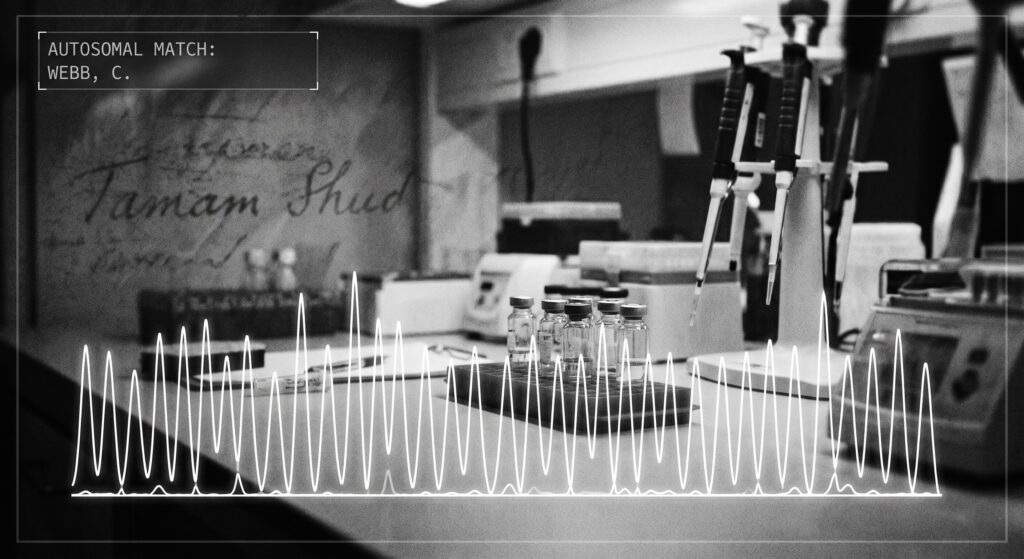
Researchers extracted autosomal DNA from a single hair shaft recovered from the plaster death mask created shortly after the body’s discovery. The sample underwent whole genome sequencing and the profile was uploaded to public genealogy databases.
Genetic genealogists then constructed complex family trees by matching segments of DNA with living relatives. Cross-referencing these genetic markers with Australian electoral rolls, birth records, and historical family trees confirmed the exact match to Carl Webb. This Somerton Man DNA 2026 resolution followed the strict forensic genetic genealogy protocols now standard in modern cold case investigations. Link to external resource: University of Adelaide Forensic Science.
THE TAMAM SHUD CODE DEBUNKED
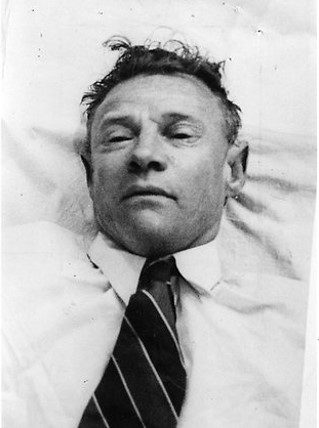
A small scrap of paper reading “Tamam Shud” was found in a concealed pocket of the deceased’s trousers. It originated from a rare edition of the Rubaiyat of Omar Khayyam, and the back of the corresponding book contained faint pencil markings interpreted by some as a military code.
Modern forensic re-examination shows these markings align with personal mnemonic patterns rather than structured cryptographic systems. Webb’s documented, historical interest in horse racing and poetry perfectly matches the profile of someone using such notes for betting or literary reference. No microdots, invisible ink, or spy-related materials were ever present.
AUTOPSY & TOXICOLOGY REASSESSMENT
The original 1948 autopsy noted an enlarged spleen, congested liver and kidneys, and distinct signs of internal hemorrhage. However, no common poisons were detected in the available toxicological tests of the era. Digitalis and other rapidly metabolizing plant toxins were hypothesized by investigators but never chemically confirmed.
Current clinical interpretation favors a natural cardiac or gastrointestinal failure, likely exacerbated by extreme environmental exposure and possible undiagnosed chronic conditions. The complete absence of defensive wounds or external trauma strongly supports a non-violent, medical death.
2026 CLASSIFICATION & VERDICT
Carl Webb was a 43-year-old electrical engineer experiencing severe marital difficulties at the time of his demise. He traveled to Adelaide without informing his family, creating an information vacuum. The case generated extensive, sensationalized speculation entirely due to missing contextual data and mid-20th-century geopolitical paranoia.
Modern autosomal sequencing provided the definitive, undeniable identification. Similar to how extreme mineralization created misleading associations in our previous artifact reviews, the Somerton Man case demonstrates how incomplete physical evidence fuels persistent myths until rigorous science intervenes. Internal Link: Read Case File D-12: London Hammer 2026 Forensic Reassessment.
Carl Webb’s identity firmly closes one of Australia’s most publicized cold cases through forensic genetics, permanently burying the espionage lore.
DOSSIER FAQ
When was Carl Webb definitively identified as the Somerton Man?
The definitive identification was confirmed between 2022 and 2024 utilizing advanced autosomal DNA extraction and genetic genealogy.
What caused the Somerton Man’s death?
Autopsy findings support natural causes, likely sudden cardiac or gastrointestinal failure, with zero confirmed trace of poison or physical trauma.
What was the “Tamam Shud” paper?
It was a torn fragment from a Rubaiyat poetry book used as a personal bookmark or mnemonic anchor, not a covert spy code.
Was the pencil code ever deciphered?
No cryptographic solution exists because it is not a cipher; the markings are completely consistent with personal, shorthand note-taking habits.
Is the Somerton Man case considered closed in 2026?
Yes. The Somerton Man DNA 2026 identification of Carl Webb has absolutely resolved the primary question of the anomaly.