[EXECUTIVE BRIEFING]
The Worldwide Hum is a persistent, low-frequency drone reported by approximately 2% to 4% of the global population. This forensic reassessment analyzes 2026 acoustic mapping data to separate geological and industrial realities from supernatural theories. Modern sensor networks reveal it as a strictly localized phenomenon rather than a unified global signal.
Key Forensic Takeaways
- Oceanic microseisms from continuous wave action against continental shelves generate seismic background noise in the low-frequency spectrum.
- Industrial infrastructure, including gas lines, cooling towers, and data center machinery, produces localized acoustic emissions.
- Biological otoacoustic emissions arise from the human inner ear’s active mechanics, creating spontaneous internal sounds.
- No single global source exists; mapping data confirms discrete, site-specific culminations of mechanical and audiological factors.
The Worldwide Hum: 2026 Acoustic Data
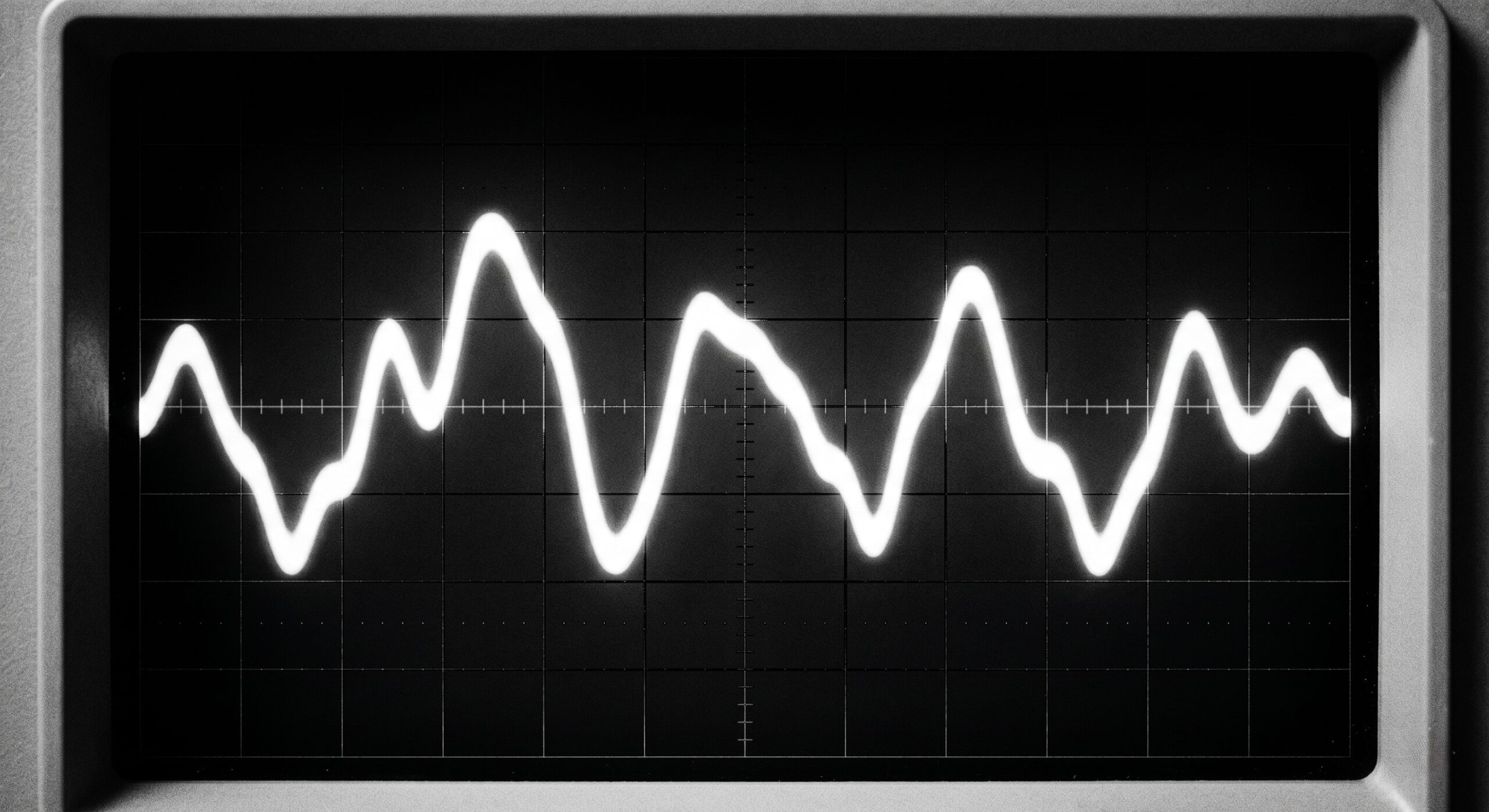
Global sensor networks combined with smartphone-based acoustic mapping have tracked reports of The Worldwide Hum across scattered locations. The sound generally registers between 10 Hz and 56 Hz, bordering on pure infrasound. At these frequencies, vibrations couple with human perception through bone conduction and localized resonance.
OCEANIC MICROSEISMS & VLF TRANSMISSIONS
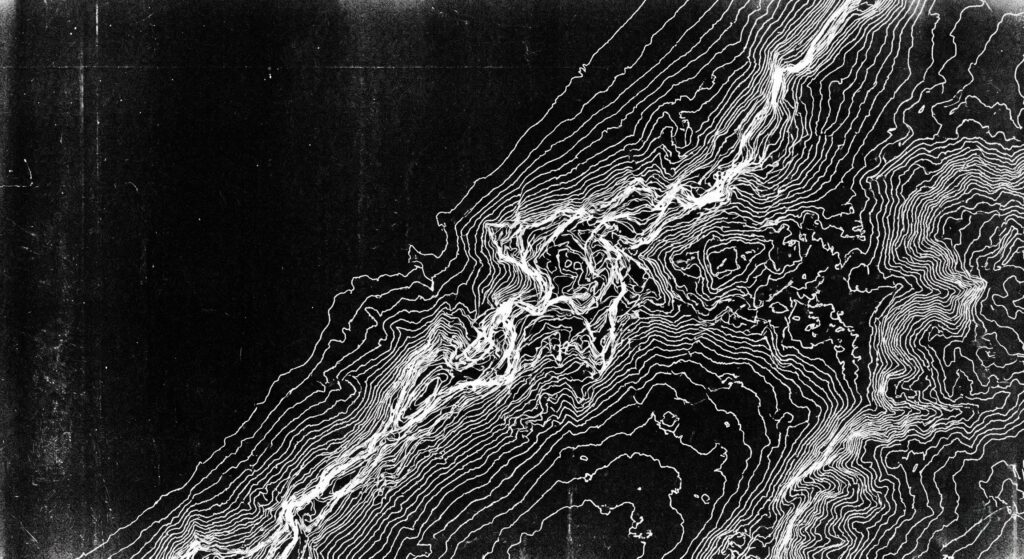
Ocean waves grinding against the continental shelf create continuous seismic background noise known as microseisms. These generate persistent low-frequency energy that can couple into audible or felt vibrations under specific geographic conditions. Very Low Frequency (VLF) radio transmissions for submarine communication represent another documented localized source capable of inducing secondary acoustic effects.
Modern insulated homes aggressively reduce external masking noise. This severe acoustic isolation inadvertently heightens human perception of subtle environmental or internal signals. Data from 2026 mapping efforts firmly link anomaly clusters to coastal or industrial zones where microseismic activity overlaps with dense human populations.
THE BIOLOGICAL FACTOR: OTOACOUSTIC EMISSIONS

The human ear generates its own low-frequency noises through spontaneous otoacoustic emissions produced by outer hair cell mechanics. These self-sustained cochlear oscillations occur in a distinct subset of individuals and remain highly stable over time. Living in increasingly sound-proofed modern environments strips away standard background noise, amplifying these internal biological emissions into a perceived external drone.
Hyper-sensitive audiology interacts dynamically with external low-frequency inputs. Factors like biological age and individual cochlear tuning directly influence who perceives this combined acoustic effect. Clinical reports consistently show only a minute fraction of people in the exact same environment detect anything unusual.
GEOGRAPHIC HOTSPOTS & SENSOR CLUSTERS
Recent deployments of low-frequency monitoring nodes have identified specific geographic clusters where The Worldwide Hum is most frequently reported. Dense urban centers built on specific sedimentary basins often amplify industrial ground vibrations, creating a localized acoustic resonance chamber.
Coastal regions bordering steep continental drop-offs also show a direct correlation between winter storm severity and increased acoustic anomaly reports. These environmental multipliers definitively prove The Worldwide Hum is amplified by regional geography and modern infrastructure. This completely rules out the hypothesis of a coordinated external broadcast.
2026 CLASSIFICATION & VERDICT
There is no singular broadcast; it is a localized combination of industrial infrastructure, oceanic microseisms, and highly sensitive individual otoacoustic emissions. Similar to our findings in Case File D-11: The Wow Signal 2026 Reassessment, localized terrestrial interference is often mistaken for a grand external mystery. For comprehensive baseline data on low-frequency auditory mechanics, consult the American Speech-Language-Hearing Association (ASHA) acoustic guidelines.
DOSSIER FAQ
Is there a single source for The Worldwide Hum?
No—acoustic mapping data shows multiple localized origins rather than one global emitter.
Can standard equipment record it?
Often not, as many reports involve frequencies below typical microphone thresholds or biological otoacoustic components.
Why do only some people hear it?
Individual differences in auditory sensitivity, cochlear tuning, and exposure to isolated environments determine perception.
Does moving away eliminate the sound?
Relocation frequently changes or removes the experience, consistent with its localized industrial and geological drivers.