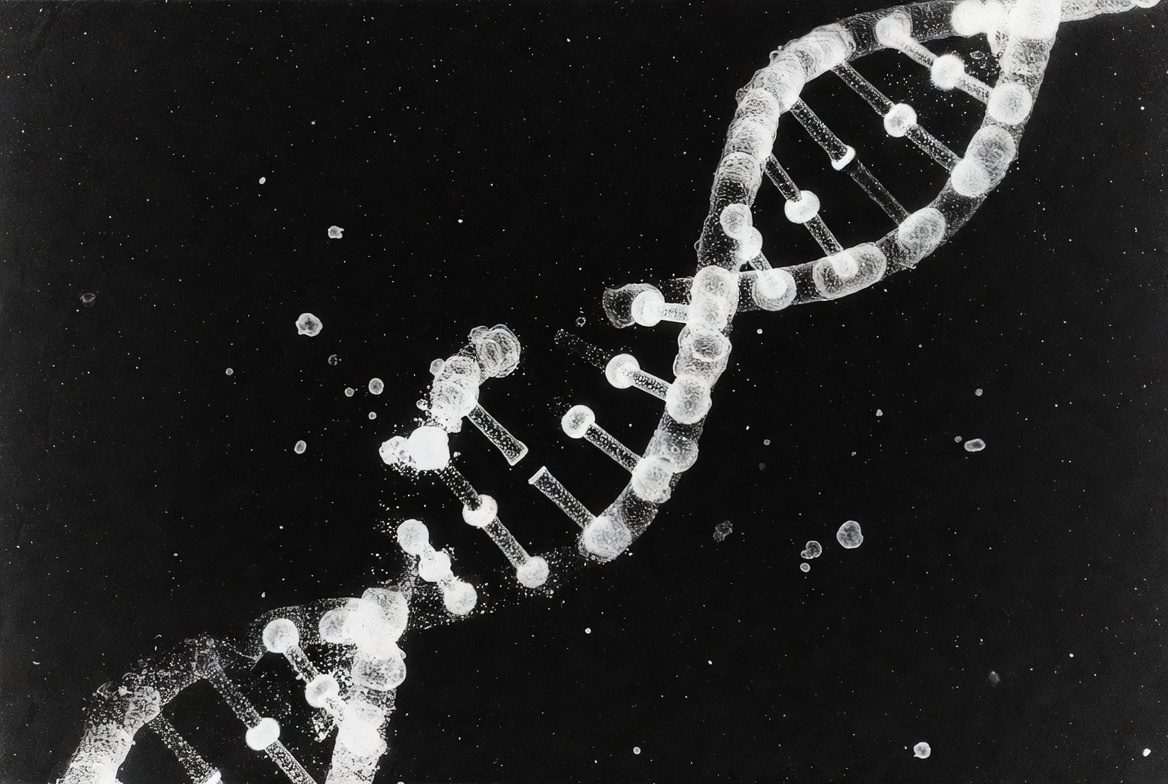
As detailed in our primary intelligence dossier, Mothman Sightings 2026, investigators have completely abandoned blurry photographs. The new standard is Mothman eDNA testing, a forensic biology approach that detects genetic traces left by animals in water, soil, and sediment without requiring direct observation. In 2026, this biological sequencing is the absolute baseline for cryptid investigation in the McClintic Wildlife Management Area.
Key Takeaways
- eDNA testing extracts and sequences genetic material shed by organisms into their environment.
- Researchers in 2026 collected water and soil samples from the Ohio River and the TNT bunkers area.
- Laboratory protocols focus on filtering out known local avian DNA to identify any genetic anomalies.
- The method provides objective biological data rather than subjective visual reports.
- No unknown vertebrate DNA consistent with a large unidentified flying creature has been detected.
THE FORENSIC SHIFT: MOTHMAN EDNA TESTING PROTOCOLS
Modern cryptid investigations have evolved from reliance on anecdotal sightings to rigorous biological sampling. Environmental DNA (eDNA) allows researchers to catalog species present in an ecosystem by detecting genetic fragments in water or soil. This approach delivers reproducible, verifiable data that traditional eyewitness methods cannot match.
POINT PLEASANT WATER SAMPLING PROTOCOLS
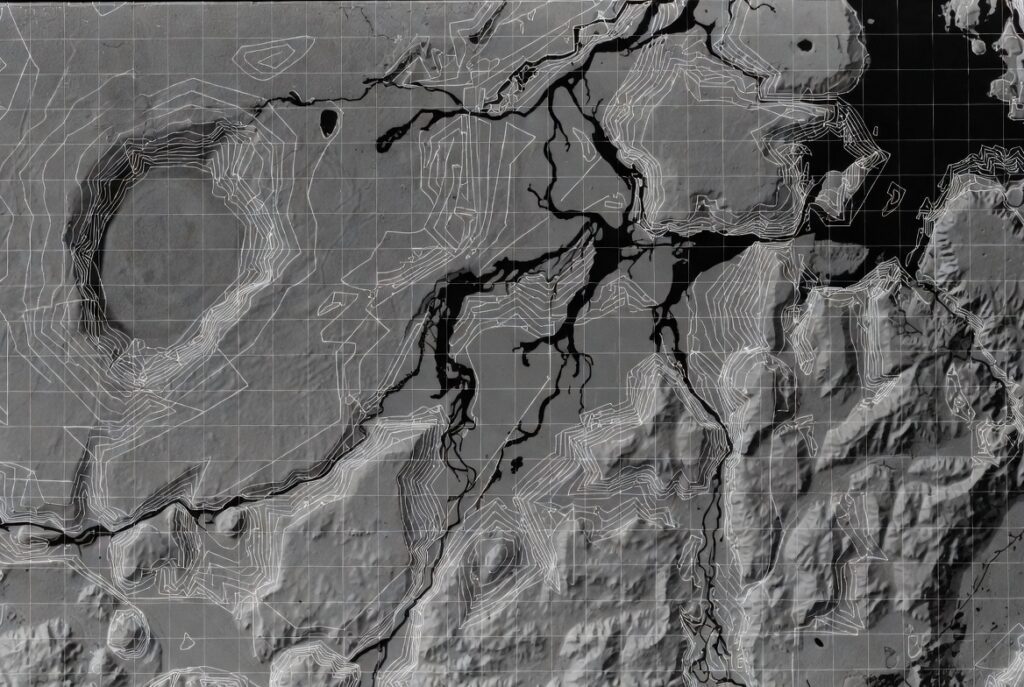
During the initial phase of the Mothman eDNA testing, research teams collected water samples from multiple locations along the Ohio River and within the McClintic Wildlife Management Area, including ponds near the abandoned TNT bunkers. Samples were filtered through fine polycarbonate membranes (0.45μm and 0.22μm pore size) to capture cellular material and free DNA. Soil and sediment cores were also taken from high-sighting zones and preserved on-site in ethanol to prevent rapid degradation.
Baseline geographical data for these extraction points was cross-referenced with the official West Virginia Division of Natural Resources topographical maps.
THE METABARCODING DEGRADATION FACTOR
While eDNA is a flawless tool for cataloging established species, environmental degradation remains a critical hurdle in the TNT Area. Ultraviolet radiation, fluctuating Ohio River water temperatures, and highly acidic soil conditions rapidly destroy cellular material left behind by transient biological entities. If an anomalous organism does not maintain a sustained presence in the immediate ecosystem, its genetic footprint can vanish within 48 hours.
CROSS-REFERENCING AVIAN DNA ANOMALIES
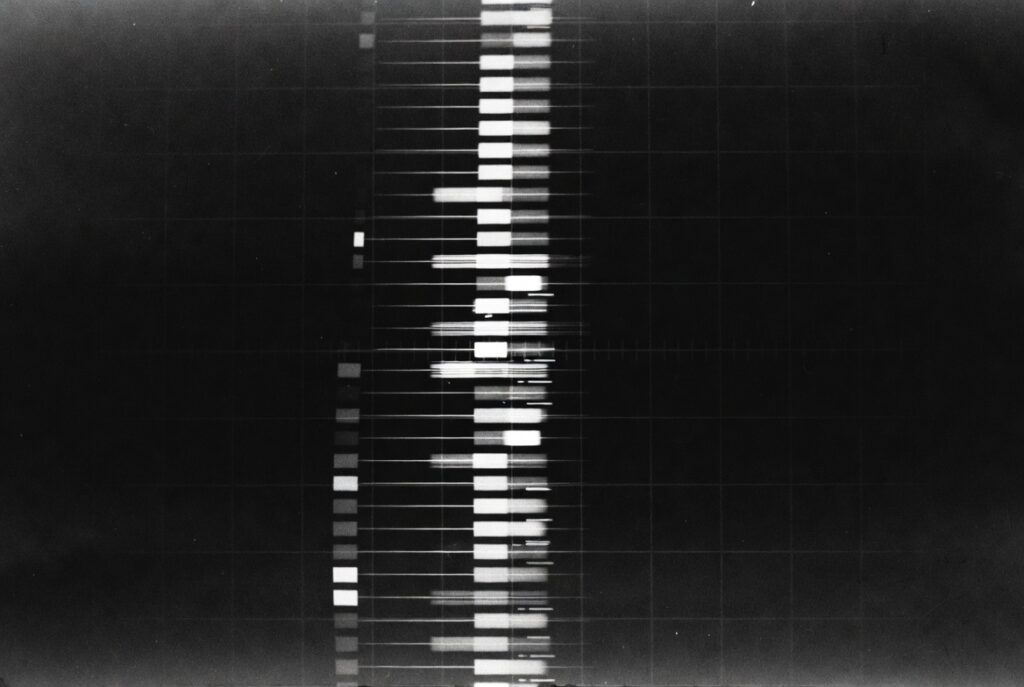
Laboratory analysis begins with DNA extraction followed by metabarcoding of the cytochrome c oxidase I (COI) gene and 12S rRNA regions. Sequences are then directly compared against comprehensive avian and mammalian reference databases. Scientists specifically filter out genetic markers from known large birds such as Sandhill Cranes, Great Horned Owls, and Barred Owls to isolate any unmatched vertebrate DNA.
FALSE POSITIVES IN CRYPTID GENOMICS
A primary challenge in the 2026 Mothman eDNA testing effort is managing the massive influx of cross-contaminated organic matter. Heavy tourism traffic introduces foreign mammalian DNA, while migratory bird patterns dump massive amounts of external genetic material into the local water table. To prevent false anomalies, laboratory algorithms are strictly calibrated to flag only high-molecular-weight sequences that completely defy the established Appalachian biological index.
No genetic sequences indicating a large, unidentified flying vertebrate have been recovered from the 2026 sampling effort. All detectable DNA aligns with established local fauna. The rigorous application of Mothman eDNA testing continues to professionalize the study of reported cryptids, providing an objective forensic foundation for biological conclusions.
For the full analysis of recent anomalous reports and field data, return to our main dossier: Mothman Sightings 2026.
FAQ
What is the scientific basis for Mothman eDNA testing?
eDNA is environmental DNA shed by animals into water and soil. It allows the detection of species presence without requiring direct visual confirmation.
Which locations were sampled in the 2026 study?
Water and sediment samples were collected from the Ohio River and multiple specific sites inside the McClintic Wildlife Management Area near the TNT bunkers.
Have any unknown DNA sequences been found?
No. All recovered vertebrate DNA strictly matches known local species, primarily large birds and mammals documented in the surrounding region.
Can eDNA detect a flying creature like Mothman?
Yes, if the creature exists and leaves biological material such as feathers, skin cells, or feces in water or on ground surfaces. Current environmental sampling has not produced matching results.
Will more advanced eDNA testing continue in Point Pleasant?
Yes. Ongoing forensic studies are expanding sampling frequency and genomic depth to increase the overall detection sensitivity.